
Why Can’t I Relax Even When I Have Nothing to Do? Adult ADHD, Stress, and the “Always On” Brain
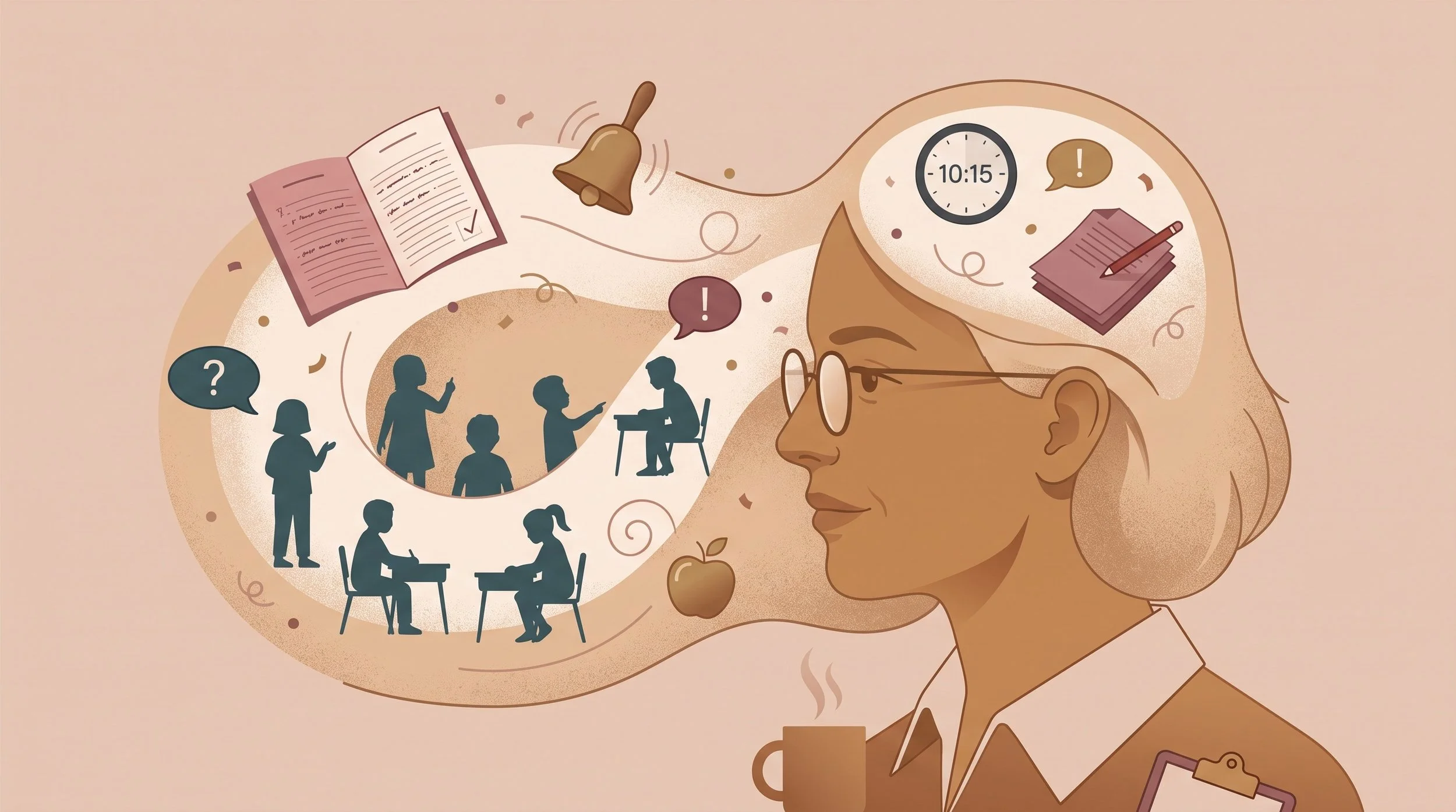
You finally have nothing to do.
The workday is over. The errands are finished. No one needs anything from you right now. You sit down, ready to enjoy some well-earned downtime.
But your brain has other plans.
Did I forget to respond to that email?
What do I have tomorrow?
I should probably put that laundry away.
Maybe I’ll check my phone for a minute.
Why am I sitting here when I could be getting something done?
For some adults with ADHD, finding time to relax and actually feeling relaxed are two very different things.
ADHD can affect attention, impulse control, organization, time management, and the ability to transition between activities. Add everyday stress to the mix, and your body may be sitting on the couch while your mind is still running through the day.
Understanding why this happens—and learning how to intentionally transition into downtime—can make rest feel a little more attainable.
Why Is It Hard to Relax With Adult ADHD?
For an adult with ADHD, relaxing isn't always as simple as deciding to stop working.
Throughout the day, your brain may be managing competing demands: remembering appointments, resisting distractions, keeping track of responsibilities, switching between tasks, meeting deadlines, and trying not to forget something important.
Then suddenly, everything stops.
But your brain may not immediately follow.
You might feel restless, reach for stimulation, start thinking about unfinished tasks, or feel uncomfortable because you aren't being productive.
This doesn't necessarily mean you don't know how to relax. You may simply need more of a transition between activity and rest.
Think about it this way:
You wouldn't expect a car traveling 60 miles per hour to instantly stop without slowing down first.
Your brain may need a transition, too.
Why Does My Brain Feel Like It’s Always “On”?
One common experience among adults with ADHD is having difficulty quieting the constant stream of thoughts competing for attention.
You may be watching television while simultaneously thinking about tomorrow's schedule.
You might be lying in bed when you suddenly remember something you forgot three days ago.
Or perhaps you finally have a quiet afternoon, but instead of enjoying it, your mind starts searching for something to do.
Stress can add another layer.
When you've spent the day responding to deadlines, problems, interruptions, and responsibilities, your mind may continue scanning for the next thing that needs your attention even after the immediate demands are gone.
That can make downtime feel surprisingly uncomfortable.
Why Do I Feel Guilty When I’m Not Being Productive?
Sometimes the biggest obstacle to relaxation isn't a busy schedule.
It's the thought:
“I should be doing something.”
For adults who have spent years struggling with procrastination, unfinished projects, forgetfulness, or time management, productivity can carry a lot of emotional weight.
You may feel like you have to use your productive moments while you have them.
Or perhaps you look around during your downtime and immediately notice everything that could be done.
The dishes.
The email.
The laundry.
The project you haven't finished.
The appointment you still need to schedule.
Suddenly, sitting on the couch doesn't feel relaxing.
It feels irresponsible.
But there's an important distinction between having something you could do and having something you need to do right now.
There will almost always be another task available.
If you wait until absolutely everything is finished before allowing yourself to rest, you may find yourself waiting a very long time.
Can ADHD Make Transitions More Difficult?
Transitions are the periods between one activity and another.
Work to home.
Cleaning to relaxing.
Scrolling to sleeping.
One task to the next.
For some adults with ADHD, changing gears can be challenging—even when the activity you're transitioning into is something enjoyable.
You may spend the entire afternoon looking forward to finishing work, only to continue checking emails once the day is over.
Or you finally sit down to watch a movie but keep getting up to handle things around the house.
Creating an intentional transition can help signal:
“That part of my day is finished. I'm moving into something different now.”
The transition doesn't have to be complicated.
It simply needs to create some separation between the two parts of your day.
Try This: A 4-Step ADHD Reset
If going directly from “busy” to “relaxed” isn't working, experiment with creating a short transition ritual.
1. PAUSE
Before immediately jumping into another task, stop.
Take a few slow breaths and acknowledge that the workday, stressful situation, or responsibility you were handling has ended.
Give your brain a moment to catch up with your schedule.
2. CLEAR YOUR HEAD
If you're worried you'll forget something, write it down.
Tomorrow's tasks.
An email you need to send.
An appointment you need to schedule.
Something you need from the store.
Instead of repeatedly rehearsing these reminders in your head, put them somewhere you can return to later.
You aren't solving them right now.
You're simply giving your brain permission to stop holding onto them.
3. CHANGE THE SIGNAL
Create a physical cue that one part of your day is ending.
Change your clothes.
Take a shower.
Walk around the block.
Stretch for a few minutes.
Make a cup of tea.
Put your work materials away.
The activity itself matters less than the message:
We're changing gears now.
4. CHOOSE YOUR REST
Ask yourself:
“What would actually help me feel restored right now?”
Not distracted.
Not productive.
Restored.
Maybe that's watching a favorite show.
Maybe it's reading.
Maybe it's going outside, listening to music, exercising, talking with someone, or sitting somewhere quiet.
Sometimes it's doing absolutely nothing.
Choosing how you want to spend your downtime can feel very different from automatically reaching for whatever provides the quickest stimulation.
Is Scrolling Actually Helping Me Relax?
You sit down after a long day and immediately grab your phone.
Twenty minutes becomes an hour.
You aren't necessarily enjoying yourself, but you keep scrolling anyway.
Phones offer a steady stream of novelty and stimulation, which can make them especially easy to reach for when your brain wants something engaging.
There's nothing inherently wrong with spending some of your downtime scrolling or watching videos.
The better question is:
“How do I feel afterward?”
If you put your phone down feeling refreshed and entertained, great.
If you regularly finish feeling more restless, distracted, anxious, or frustrated about losing track of time, you might experiment with another form of downtime.
Instead of asking whether an activity technically counts as “rest,” ask:
“Is this actually restoring me?”
How Can CBT Help Adults With ADHD Manage Stress?
Cognitive Behavioral Therapy, or CBT, focuses partly on recognizing the relationship between our thoughts, emotions, and behaviors.
Consider this automatic thought:
“I should be doing something productive right now.”
That thought may create guilt or anxiety.
The uncomfortable feeling may then cause you to get up and start another task—even though you're already exhausted.
CBT encourages you to slow the process down.
Ask yourself:
Is this thought completely accurate?
Is there actually something urgent that needs my attention?
What would I say to someone else who had been working all day?
Then try replacing the original thought with something more realistic:
“There will always be something else I could do. Rest is also a legitimate use of my time.”
Or:
“Taking time to recharge doesn't mean I'm being unproductive. It can help me approach what's next with more energy and focus.”
CBT isn't about forcing yourself to think positively.
It's about noticing automatic thoughts and asking whether there's a more accurate and helpful way of looking at the situation.
What If I Feel Restless When I Try to Relax?
Start small.
If sitting quietly for an hour sounds miserable, don't make that your goal.
Try five minutes.
Put your phone somewhere else.
Take a few breaths.
Stretch.
Sit outside.
Listen to one song without doing anything else.
Notice what happens.
Your mind may wander.
You may remember something you need to do.
You may suddenly feel an urge to check your phone.
You don't have to eliminate those thoughts or urges.
Practice noticing them without immediately responding.
You might tell yourself:
“I remembered something. I can write it down and deal with it tomorrow.”
Or:
“I want to check my phone. I'm going to wait five minutes.”
Relaxation doesn't have to mean having a completely quiet mind.
Sometimes it means learning that every thought doesn't require immediate action.
What Is a Good Evening Routine for Adults With ADHD?
There's no single routine that works for everyone with ADHD.
A complicated 12-step nighttime routine may even become another item on your mental to-do list.
Instead, consider creating a few consistent cues.
For example:
Finish work → write tomorrow's reminders → put work away → change clothes → take a short walk → begin personal time.
The routine should reduce decisions rather than create more of them.
If you repeatedly use the same transition, it may become easier to recognize that one part of the day is finished and another has begun.
Keep it simple enough that you can realistically repeat it.
CBT & Mindfulness Minute
A Thought to Notice
“I'm wasting time. I should be doing something productive.”
Try a More Realistic Thought
“There will always be something I could be doing. Rest is something I need, too.”
Mindfulness Practice
The next time you have downtime, take 60 seconds before reaching for your phone or starting another task.
Take three slow breaths.
Then ask:
What am I feeling right now?
Is anything actually urgent?
What does my brain or body need?
What would leave me feeling restored?
You don't need the perfect answer.
The goal is simply to create a little space between the urge to do something and your decision about what comes next.
When Should an Adult With ADHD Seek Support?
Everyone experiences stress and difficulty relaxing occasionally.
But consider talking with a qualified professional if ADHD symptoms, stress, or difficulty switching off are regularly interfering with your sleep, work, relationships, responsibilities, or quality of life.
You don't have to wait until everything feels unmanageable before asking for support.
Learning how your ADHD shows up in your everyday life can help you develop strategies that fit the way you actually think and function.
Key Takeaways
Having free time and feeling relaxed aren't necessarily the same thing.
Adults with ADHD may find transitions between activity and downtime challenging.
Stress can linger even after the immediate stressful situation has ended.
Productivity guilt can make rest feel uncomfortable or undeserved.
Writing down unfinished tasks can help get them out of your immediate mental space.
A simple transition ritual can help create separation between responsibilities and downtime.
CBT can help identify and challenge thoughts that contribute to stress and guilt around rest.
Relaxation doesn't require a perfectly quiet mind.
Start small. Even a few intentional minutes of downtime can be worthwhile.
Frequently Asked Questions About Adult ADHD, Stress, and Relaxation
Why can't I relax when I have ADHD?
ADHD can make it difficult to shift attention, transition between activities, manage competing thoughts, and disengage from stimulation. After a busy or stressful day, some adults may need a more intentional transition before they feel settled.
Why do I feel like I always need to be doing something?
For some adults with ADHD, stimulation, unfinished responsibilities, habitual busyness, or thoughts about productivity can make inactivity uncomfortable. Paying attention to the thoughts that appear when you stop can help you understand what's driving the feeling.
Why am I exhausted but still can't relax?
Physical exhaustion doesn't always mean your mind immediately becomes quiet. Stress, racing thoughts, unfinished tasks, stimulation, and difficulty transitioning can leave you feeling mentally active even when your body is tired.
Can CBT help adults with ADHD?
CBT can help adults recognize thought and behavior patterns that contribute to problems such as stress, procrastination, organization difficulties, and negative self-talk, while developing more useful ways of responding.
How can I stop feeling guilty about resting?
Start by noticing the thought behind the guilt. If you're thinking, “I should be doing something,” ask whether something genuinely requires your attention right now. Practice viewing rest as one of your needs rather than a reward you receive only after everything is finished.
What can I do when my ADHD brain won't switch off at night?
Try creating a simple transition routine, writing down unfinished tasks or reminders, reducing stimulating activities close to bedtime, and giving yourself time to shift gears rather than expecting your brain to immediately become quiet.
You Don't Have to Earn Your Downtime
If you've spent years telling yourself that you should be more organized, more productive, more focused, or better at keeping up, slowing down may feel surprisingly difficult.
So instead of criticizing yourself the next time you finally have nothing to do and still can't relax, get curious.
Ask:
“What is keeping me in ‘on’ mode?”
Then give yourself a transition.
Write down what's on your mind.
Change the signal.
Choose what would actually restore you.
And remember: rest doesn't have to be earned by completing everything on your list.
There will always be something else you could do.
Sometimes the thing you need to do is allow yourself to stop.
About the Author
Dawn O'Meally, LCSW-C, is a licensed clinical social worker and Clinical Director of The Counseling Center for Change. Her areas of practice include Cognitive Behavioral Therapy (CBT), TEAM-CBT, self-esteem, anxiety, Adult ADHD, and practical strategies for lasting behavioral change.