


Artificial Intelligence has quickly become part of everyday life.
People now use AI to answer questions, organize schedules, write emails, generate ideas, and increasingly—even process emotions or seek mental health guidance.
While technology can absolutely be helpful in certain ways, mental health professionals are beginning to raise an important question:
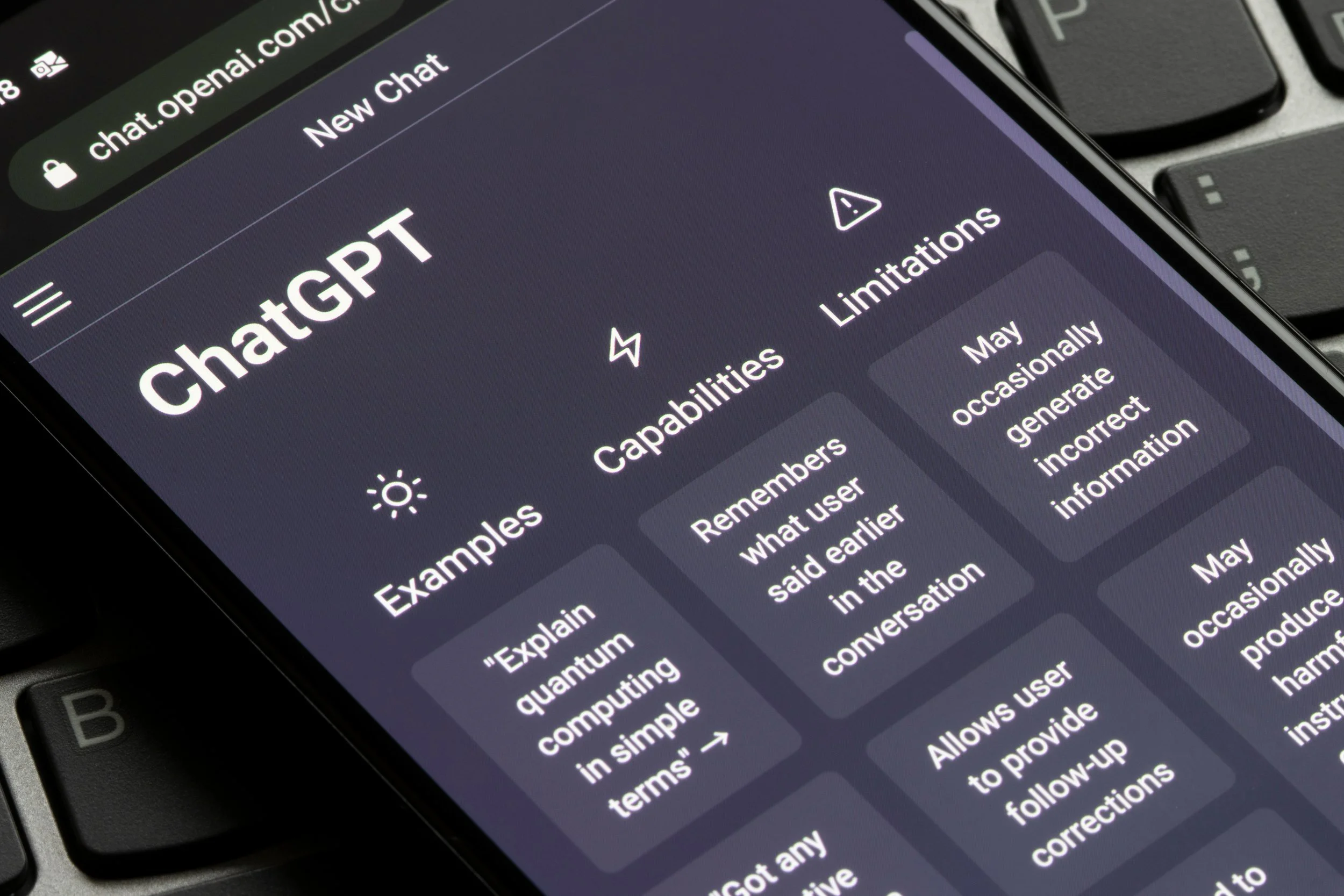
What happens when we rely on AI too much for emotional processing, coping, and decision-making?
For many people, there is now an automatic response to uncertainty, discomfort, stress, or confusion:
“Let me ask AI.”
And while that may seem harmless in moderation, overdependence on AI can slowly begin affecting how we think, reflect, cope, and emotionally process life experiences.
Convenience vs. Critical Thinking
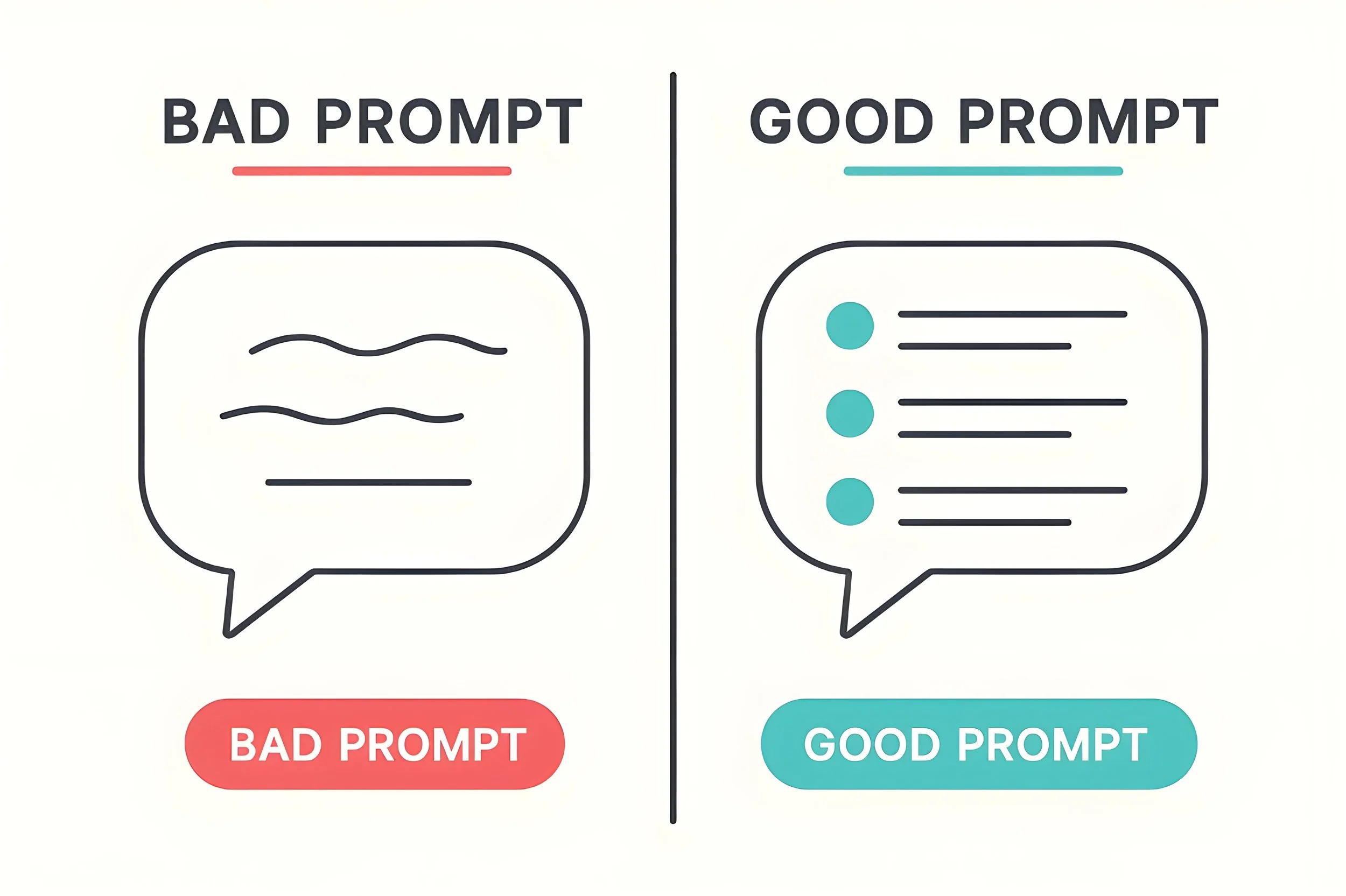
One of the biggest concerns surrounding excessive AI use is the gradual reduction of independent thinking.
Instead of:
Sitting with discomfort
Reflecting internally
Problem-solving
Journaling thoughts
Working through emotions
Processing decisions carefully
Many people now immediately seek instant answers.
AI provides quick responses, reassurance, validation, and structured thinking almost immediately. While convenient, this can unintentionally weaken important mental and emotional skills over time.
Critical thinking functions similarly to a muscle:
If we stop exercising it consistently, it becomes weaker.
How Overusing AI May Affect Mental Health
Overreliance on AI for emotional support or decision-making may reduce several important psychological skills:
Reduced Critical Thinking
Instead of learning how to evaluate situations independently, people may become increasingly reliant on external answers.
Lower Emotional Tolerance
Discomfort, uncertainty, boredom, frustration, and anxiety are all normal human emotions. Constantly seeking immediate reassurance through AI can reduce our ability to tolerate uncomfortable feelings long enough to process them in healthy ways.
Less Self-Reflection
Healthy self-awareness often develops through reflection, journaling, conversations, therapy, and lived experiences—not simply receiving instant feedback.
Weakened Problem-Solving Skills
Part of emotional growth comes from learning how to navigate challenges ourselves. Overdependence on AI can sometimes interrupt that process.
Reduced Independent Coping
If every difficult thought immediately gets outsourced to technology, people may struggle to strengthen internal coping strategies and emotional resilience.
How This Relates to Cognitive Behavioral Therapy (CBT)
In many ways, excessive AI reliance can work against important principles of Cognitive Behavioral Therapy (CBT).
CBT is designed to help individuals build:
✔️ Self-awareness
✔️ Emotional regulation
✔️ Thought challenging
✔️ Internal confidence
✔️ Problem-solving skills
✔️ Healthy coping mechanisms
The purpose of CBT is not to teach people what to think.
It is to help people learn:
how to think differently for themselves.
This distinction matters deeply.
Therapy encourages individuals to:
Examine thoughts critically
Build emotional insight
Challenge cognitive distortions
Strengthen confidence in their own reasoning
Tolerate uncertainty without immediate reassurance
When AI becomes the primary source of emotional processing, some of these important growth opportunities may become limited.
AI Cannot Replace Human Connection

Another important factor is emotional connection.
AI may simulate supportive language, but it does not:
Truly know you
Emotionally connect with you
Understand human nuance fully
Provide genuine empathy
Build interpersonal relationships
Human connection remains one of the most important parts of mental wellness.
Therapy, support groups, friendships, family relationships, and community interactions help people feel:
Heard
Understood
Supported
Connected
Healing often happens through relationships—not algorithms.
Technology Can Be Helpful—In Moderation
This does not mean AI is inherently harmful.
Technology can absolutely serve supportive purposes, such as:
Educational information
Journaling prompts
Stress-management exercises
Organizational support
Guided mindfulness ideas
The concern is not occasional use.
The concern is replacing internal thinking, emotional processing, and human connection with constant technological dependence.
Like many things, balance matters.
The Goal Is Growth, Not Dependency
Mental wellness is not built through instant answers alone.
It develops through:
Reflection
Emotional processing
Problem-solving
Self-awareness
Human connection
Practicing resilience
The goal is not to have something think for you.
The goal is learning how to think differently for yourself.
That process may sometimes feel slower, more uncomfortable, or more emotionally challenging—but it is also where genuine growth happens.
As AI becomes increasingly integrated into daily life, it is important to remain mindful of how we use it—especially regarding mental health and emotional well-being.
Technology can support us.
It can inform us.
It can assist us.
But it should not replace:
Human connection
Independent thought
Emotional resilience
Therapy
Real-world support systems
Mental health growth happens through active participation in our own lives—not passive dependence on technology.
And sometimes, the most important growth happens when we pause long enough to think, reflect, and work through challenges ourselves.
