
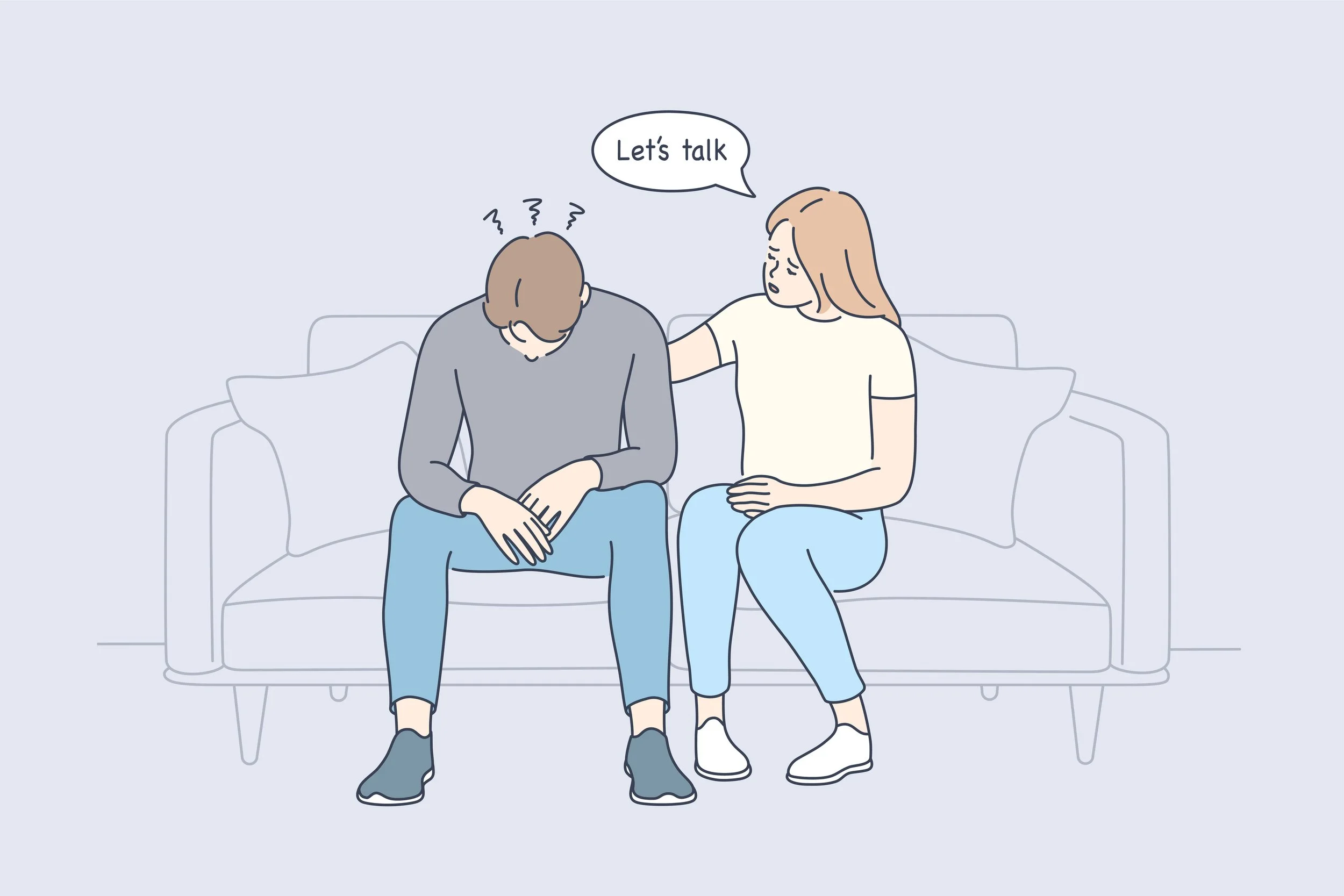
Suicide is one of the most sensitive mental health topics to discuss—and because of that, it is often avoided.
People may worry about saying the wrong thing. They may feel uncomfortable bringing it up. Others may believe silence is safer than conversation.
But avoiding the topic does not make the struggle disappear.
Even though Suicide Awareness Month is recognized each September, emotional pain, hopelessness, depression, and suicidal thoughts affect individuals and families every single day of the year. Awareness cannot begin and end with one month on the calendar.
These conversations matter year-round.
Silence Can Increase Isolation
One of the hardest parts of emotional suffering is feeling alone in it.
Many individuals struggling with depression or suicidal thoughts do not openly express what they are experiencing. In fact, some people continue going to work, caring for loved ones, smiling in public, and appearing “fine” while privately fighting overwhelming emotional pain.
When conversations around suicide are avoided entirely, it can unintentionally reinforce the belief that these struggles should remain hidden.
This is why open, compassionate discussion is so important.
Not to create fear.
Not to sensationalize pain.
But to remind people they are not alone.
Talking About Suicide Does Not “Plant the Idea”
A common misconception is that talking about suicide may somehow encourage it. Research and mental health professionals consistently emphasize the opposite: safe, supportive conversations can reduce shame and help individuals feel seen and supported.
Sometimes a simple conversation can create space for someone to finally say:
“I’m not okay.”
And that moment matters.
Asking someone how they are truly doing, listening without judgment, and responding with compassion can make a meaningful difference.
Mental Health Does Not Always Look Obvious
Many people imagine mental health struggles as something visibly noticeable. But emotional pain is not always outwardly visible.
Someone struggling may:
Continue showing up socially
Maintain responsibilities
Laugh and engage with others
Hide their emotions well
Feel pressure to appear “strong”
This is why awareness matters beyond assumptions.
Checking in on people should not only happen when signs are obvious.
Creating a Culture of Compassion
Reducing stigma begins with normalizing mental health conversations.
That does not mean everyone must have perfect words or become mental health experts. It simply means becoming more willing to:
Listen
Check in
Speak openly
Encourage support
Treat emotional struggles with compassion instead of shame
Even small moments of connection can help someone feel less isolated.
Simple phrases can carry powerful meaning:
“You don’t have to go through this alone.”
“I’m here to listen.”
“Your feelings matter.”
“Support is available.”
Awareness Should Happen Every Day
Mental health awareness cannot only exist during designated months, campaigns, or social media trends.
People struggle in silence on ordinary Tuesdays.
On weekends.
On holidays.
Late at night.
In crowded rooms.
At work.
At home.
That is why continuing these conversations consistently matters.
The goal is not simply awareness—it is creating environments where people feel safer asking for help without fear of judgment.
A Reminder for Anyone Struggling
If you are struggling emotionally right now, please know this:
Your current feelings do not define your entire future.
Difficult moments can change. Support exists. Healing is possible. And asking for help is never weakness.
You deserve support, compassion, and care.
More than just one month
We cannot shy away from conversations surrounding suicide simply because they are difficult.
Difficult conversations can save lives.
The more we normalize compassionate mental health discussions, the more we reduce stigma, increase understanding, and create space for people to feel less alone.
Awareness is not about one month.
It is about continuing the conversation every single day.
