
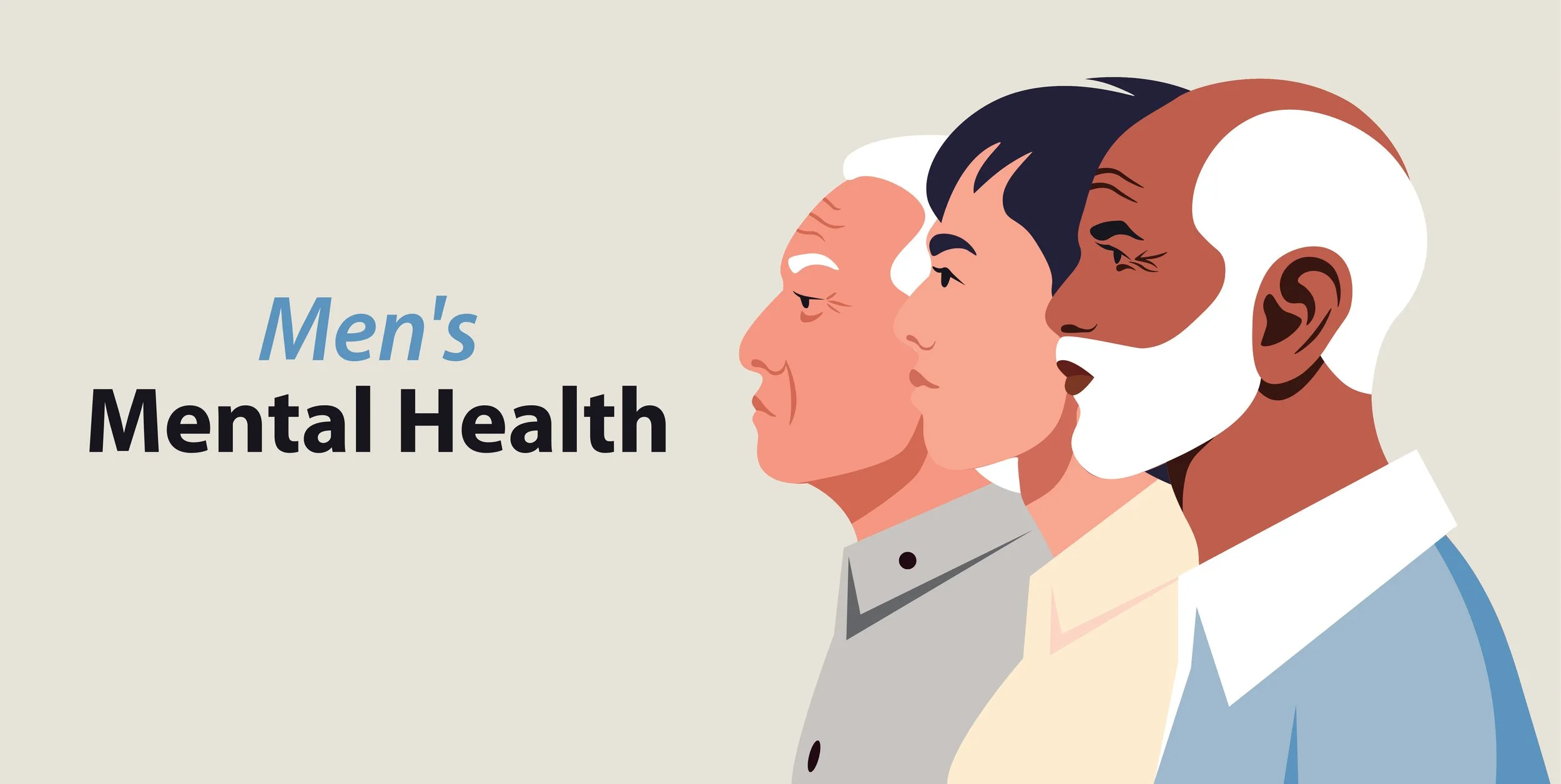
June is Men's Mental Health Awareness Month, and with Father's Day approaching, it's an important opportunity to talk about a topic that often goes unnoticed:
How men experience grief.
When people think of grief, they often imagine tears, emotional conversations, and visible expressions of sadness.
But grief doesn't always look that way.
In fact, many men experience and express grief very differently than women do.
That doesn't mean they hurt less.
It doesn't mean they care less.
And it certainly doesn't mean they aren't grieving.
It simply means their pain may be showing up in different ways.
Grief Is More Than Losing a Loved One
When we hear the word grief, most people immediately think about death.
While grief certainly includes the loss of a loved one, it can also stem from many other life experiences:
The loss of a parent
The loss of a spouse or partner
The loss of a child
Divorce or separation
Changes in health
Retirement
Financial hardship
The loss of a dream or future you expected
Becoming an empty nester
Life transitions that change your identity
Grief is the emotional response to loss.
And loss comes in many forms.
Why Men Often Process Grief Differently
From an early age, many boys receive messages—directly or indirectly—that emotions should be controlled, hidden, or managed privately.
They may hear things like:
"Be strong."
"Man up."
"Don't cry."
"Handle it."
"Get over it."
Over time, many men learn that strength means carrying burdens quietly.
As a result, grief often becomes internalized.
Instead of talking about pain, men may focus on doing.
Instead of expressing sadness, they may focus on solving problems.
Instead of asking for support, they may try to carry everything themselves.
This doesn't mean they're avoiding grief.
It's simply the way many men have learned to cope.
What Grief Can Look Like in Men
Because grief isn't always expressed verbally, it can sometimes be misunderstood.
Many grieving men may experience:
Increased Irritability
Rather than appearing sad, they may become frustrated, short-tempered, or easily annoyed.
Withdrawal
They may spend more time alone and less time connecting with others.
Staying Busy
Work projects, home repairs, yard work, hobbies, and other activities can become ways of coping with emotional pain.
Difficulty Sleeping
Grief often affects sleep patterns, concentration, and energy levels.
Emotional Numbness
Some men describe feeling disconnected from their emotions altogether.
Increased Risk-Taking or Avoidance
Some individuals may throw themselves into work, sports, or distractions to avoid sitting with painful emotions.
The important thing to remember is that grief doesn't always look like tears.
Sometimes it looks like silence.
Father's Day Can Be Complicated
For many families, Father's Day is a joyful celebration.
But for others, it can be a painful reminder of loss.
Some men may be grieving:
Their own father
A strained relationship with a parent
The loss of a child
A fatherhood journey that didn't unfold as expected
Health changes that have affected their role or identity
Even positive holidays can stir up difficult emotions.
That's normal.
And it's okay to acknowledge both gratitude and grief at the same time.
How to Support the Men in Your Life
If you think a man you care about may be struggling, remember that support doesn't always require the perfect words.
Check In
A simple:
"How have you been doing lately?"
can open the door to conversation.
Be Patient
Many men won't immediately share what's on their mind.
That's okay.
Consistent support often matters more than one conversation.
Create Opportunities for Connection
Some men find it easier to talk while doing something else.
A walk, fishing trip, car ride, home project, or sporting event can create space for meaningful conversations.
Listen Without Fixing
Often, people don't need solutions.
They need someone willing to listen.
Normalize Professional Support
Therapy isn't about weakness.
It's about gaining tools, perspective, and support during difficult times.
You Don't Always Have to Be Mr. Fixer Upper
Many men naturally step into the role of problem-solver.
Something breaks?
Fix it.
Someone needs help?
Show up.
A challenge appears?
Handle it.
These are valuable strengths.
But emotional pain isn't always something you can repair with a wrench, toolbox, or weekend project.
Sometimes healing requires something different.
Sometimes it requires:
Talking
Processing
Reflecting
Receiving support
Allowing others to help
You don't have to carry every burden by yourself.
And you don't have to have all the answers.
Even the strongest people need support sometimes.
Why Men's Mental Health Matters
The reality is that men often seek mental health support later than women, despite experiencing many of the same emotional struggles.
Men experience:
Anxiety
Depression
Stress
Loneliness
Burnout
Grief
Emotional pain
Yet many continue to suffer quietly because they believe they should handle it alone.
But strength isn't measured by how much you can carry.
Sometimes strength is demonstrated by recognizing when it's time to ask for help.
Final Thoughts
As we recognize Men's Mental Health Awareness Month and celebrate Father's Day, let's remember that emotional well-being matters for everyone—including the men in our lives.
Grief may look different in men.
Pain may be expressed differently.
Support may be requested differently.
But the need for connection, understanding, and compassion remains the same.
If you're struggling, know this:
Talking about your feelings doesn't make you less of a man.
Seeking help doesn't make you weak.
Allowing others to support you doesn't mean you've failed.
It means you're human.
And none of us were meant to carry life's hardest moments alone.
